
In recent years, handcrafted ceramics have transformed from niche artisanal goods into coveted luxury decor items. Homeowners and interior designers alike now prize pieces that showcase the skill of artisans, authentic materials, and unique storytelling—markers entirely absent in mass-produced goods. Among these, Jingdezhen porcelain stands at the pinnacle, blending centuries-old craftsmanship with contemporary design sensibilities.
This article explores why handcrafted ceramics have become the ultimate status symbol in luxury décor, how Jingdezhen artisans maintain their high standards, and practical tips for integrating these exquisite pieces into your home.
1.The Rise of Artisan Luxury in Home Decor
1.1 Shifting Consumer Values
Today’s discerning buyers prioritize authenticity and sustainability over convenience and cost. In an era of fast furniture and disposable décor, the appeal of a handmade object is stronger than ever. People are increasingly aware of the environmental and ethical implications behind their purchases, driving demand for items that are:
Environmentally responsible: Crafted with natural, locally sourced materials
Ethically produced: Supporting skilled labor and fair trade practices
Timeless in design: Avoiding fleeting trends with classic elegance
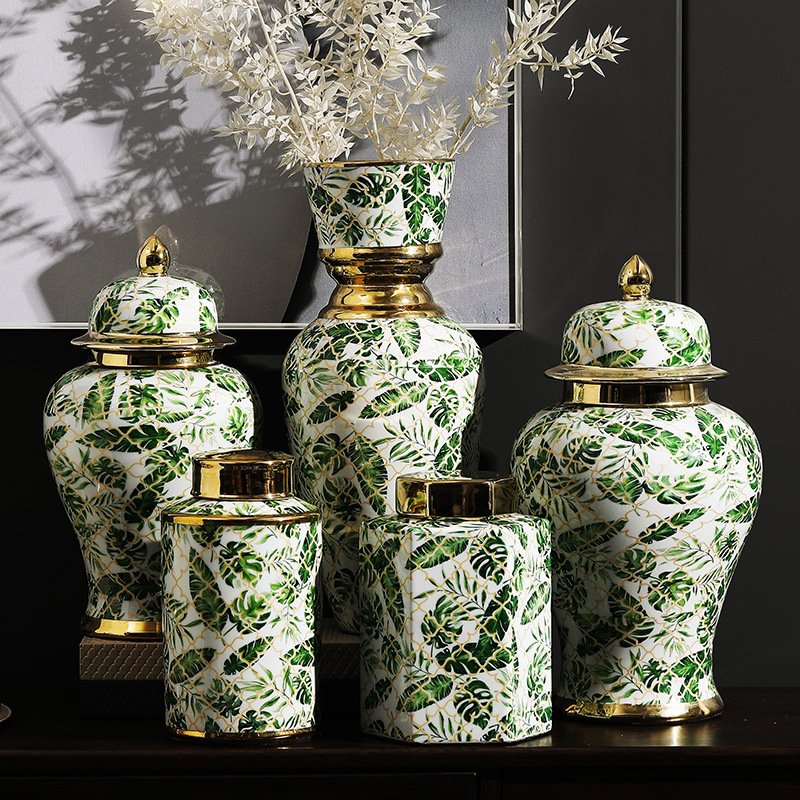
Handcrafted ceramics tick all these boxes. Each piece begins with raw clay, often sourced locally in places like Jingdezhen, and is shaped and decorated by human hands rather than automated machines. This process inherently reduces waste, minimizes carbon footprint, and fosters sustainable practices within artisanal communities.
1.2 The Story Behind the Object
Another factor fueling the luxury trend is the narrative embedded within each handcrafted piece. A mass-produced vase from a big-box store might be inexpensive, but it carries no story—no lineage of artisans, no tradition passed down through generations. In contrast, a handcrafted ceramic vase from Jingdezhen conveys:
Cultural heritage: Centuries of Chinese ceramic history, including imperial kilns and artisan guilds
Artisan dedication: The meticulous hours spent shaping, painting, and firing each piece
Individuality: Subtle variations in glaze, brushstrokes, and form that make every piece one-of-a-kind
Consumers are willing to pay a premium when they know an object is the product of human skill and cultural significance. Sharing these narratives in product descriptions, social media posts, and marketing campaigns elevates perceived value and drives emotional connections.
2.Jingdezhen: The Epicenter of Luxury Porcelain
2.1 A Legacy of Excellence
Jingdezhen, often called the “Porcelain Capital of the World,” has produced luxury ceramics for emperors, nobility, and global markets for over 1,000 years. Starting in the Song Dynasty, the region refined the production of porcelain—an innovation far superior to earlier pottery and stoneware due to its translucency, strength, and purity.
Key Milestones:
Song Dynasty (960–1279 CE): Early celadon glazes and delicate forms
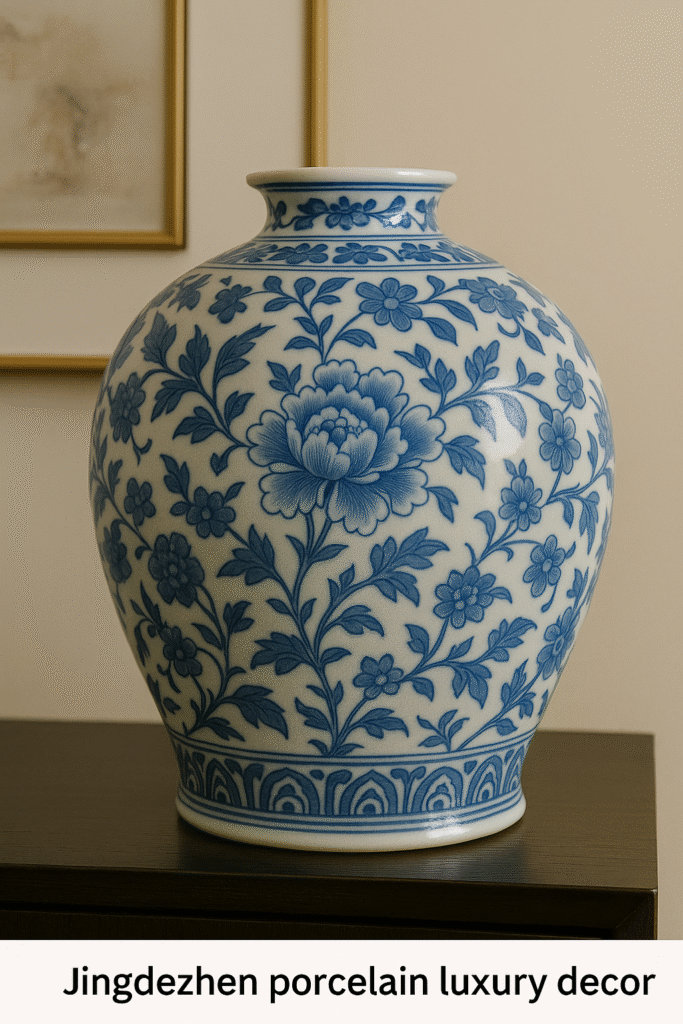
Ming Dynasty (1368–1644 CE): Imperial kilns crafting blue-and-white porcelain for court use and export
Qing Dynasty (1644–1912 CE): Advanced overglaze enamels and complex famille rose palettes
Today, Jingdezhen artisans still employ many traditional techniques while incorporating modern design trends, ensuring their creations remain at the forefront of luxury interior décor.
2.2 Craftsmanship: From Clay to Art
2.2.1 Sourcing and Preparation of Clay
In Jingdezhen, kaolin clay is the foundational material. Its fine grain and high silica content contribute to the porcelain’s characteristic whiteness and durability. Artisans often highlight:
Local quarrying: Clay sourced from nearby hills, reducing transportation footprint
Refinement processes: Repeated wedging and filtering to remove impurities, ensuring a smooth texture
2.2.2 Hand-Throwing and Molding
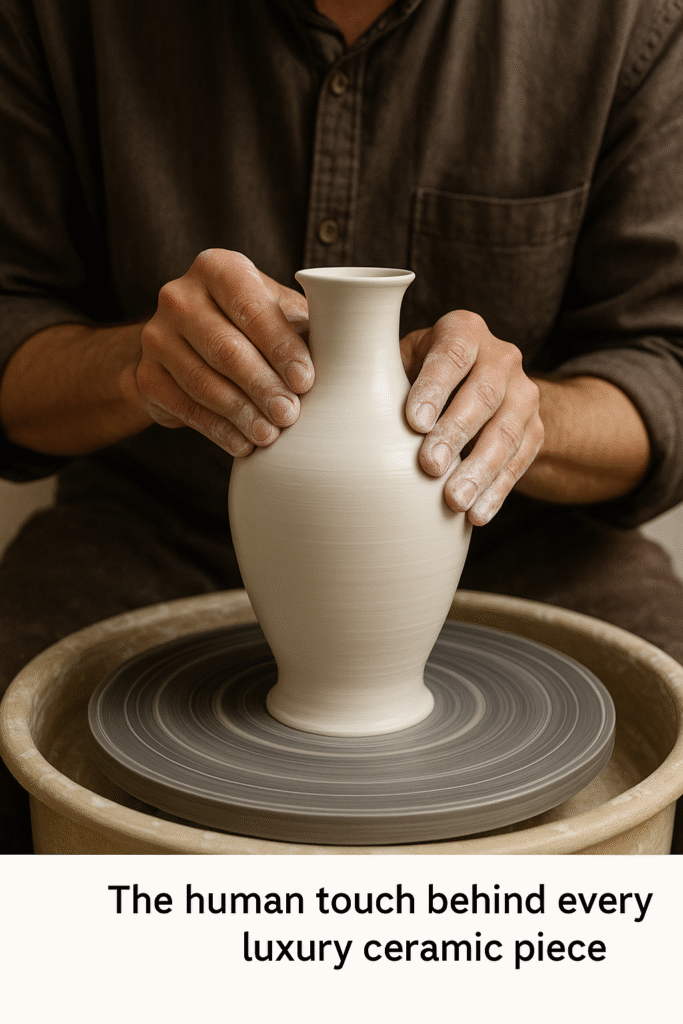
Each luxury ceramic piece begins at the potter’s wheel or with hand-built molds:
Potter’s wheel: Skilled artisans shape vases, bowls, and ornamental forms by hand, controlling thickness and symmetry
Press molds: For complex shapes, clay is pressed into handcrafted wooden or plaster molds
The tactile nature of these methods results in subtle variations and small imperfections that add to the piece’s uniqueness—qualities celebrated by luxury consumers.
2.2.3 Glazing and Decoration
After forming, pieces undergo a series of steps:
Bisque Firing (First Firing): Around 800–900°C to harden the clay
Glaze Application: Artisans apply a glaze mixture, often containing feldspar, silica, and minerals like cobalt for blue hues
Decoration: Techniques include:
Underglaze painting: Cobalt or iron pigments painted on the bisque surface
Overglaze enameling: Applied after initial glaze, followed by a lower-temperature firing
Carving and incising: Creating relief patterns before glazing
Glaze Firing (Second Firing): Over 1300°C to fuse glaze and clay, resulting in a glassy, lustrous finish
3.Why Luxury Consumers Choose Handcrafted Ceramics
3.1 Exclusivity and Customization
Mass-produced decor items often flood the market, diluting uniqueness. In contrast, handcrafted ceramics offer:
Limited editions: Small batch runs or one-off pieces ensure rare finds
Customization options: Patrons can request specific glaze colors, motifs, or monograms, fostering a sense of ownership and exclusivity
Artisan signatures: Many high-end pieces include the artist’s mark or signature, signaling authenticity and pedigree
These aspects resonate with luxury buyers, who view their home interior as an expression of personal taste and social status.
3.2 Longevity and Quality
Luxury décor is an investment. Unlike cheap, mass-produced items that deteriorate quickly, handcrafted ceramics are made to last:
Superior materials: High-quality kaolin clay and pure mineral glazes
Artisanal expertise: Decades, sometimes generations, of refinement in firing and finishing techniques
Timeless design: Classic forms and motifs that transcend fleeting trends
Buyers often display handcrafted ceramics prominently, knowing they will maintain their beauty and integrity over decades, potentially even becoming family heirlooms.
3.3 Aesthetics and Versatility
Handcrafted ceramics offer a blend of traditional aesthetics and modern adaptability. Some key reasons luxury consumers incorporate them:
Versatile styling: They can anchor minimalist interiors or complement maximalist arrangements
Artistic depth: Intricate patterns—floral, geometric, or abstract—serve as conversation starters
Cultural appreciation: Owning a piece of Jingdezhen porcelain symbolizes respect for Chinese heritage and global craftsmanship
4.How to Integrate Handcrafted Ceramics into Luxury Interiors
While luxury implies extravagance, sophistication often lies in subtlety. Here are practical tips for incorporating handcrafted ceramics into upscale home décor:
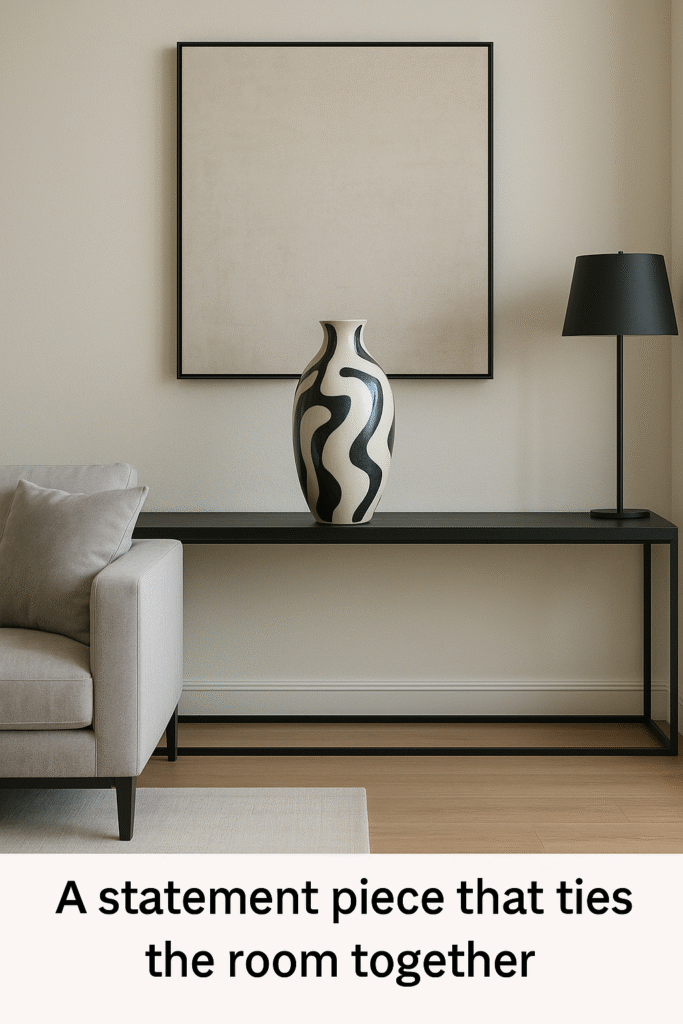
4.1 Start with a Statement Piece
Choose a focal item—perhaps a large floor vase with a dramatic glaze or an elaborate porcelain sculpture. Position it where it draws the eye, such as an entryway console, a fireplace mantle, or a dedicated pedestal near large windows.
Explore Statement Pieces at HanoraArt
4.2 Layer with Smaller Accessories
Complement the statement piece with a curated selection of smaller items:
Pair small porcelain bowls with luxury books on a coffee table
Display ceramic planters filled with succulents or bonsai on side tables
Arrange porcelain candle holders in varying heights on a dining table for a sculptural look
This layering creates depth and invites guests to move through the space, discovering details.
4.3 Curate a Color Palette
Luxury interiors often adhere to a cohesive color scheme:
Neutral bases: Whites, beiges, taupes as a canvas
Accent hues: Deep blues, emerald greens, or metallic glazes on ceramics
Natural textures: Combine ceramics with marble, wood, or plush textiles for tactile richness
For instance, a navy-blue underglaze vase looks stunning against a light gray wall, while cream-colored planters pop on a dark walnut console.
4.4 Balance Traditional and Contemporary Elements
Avoid overcrowding with too many traditional pieces. Balance is crucial:
Pair a classic underglaze vase with a modern abstract painting
Mix a carved ceramic figurine with sleek metallic accessories
Integrate minimalist ceramics alongside ornate mirrors or chandeliers
The juxtaposition of old-world charm and contemporary style creates a dynamic, luxurious atmosphere.
5.The Future of Luxury Decor: Trends and Predictions
As tastes evolve, handcrafted ceramics continue to adapt. Here are three emerging trends:
5.1 Sustainable and Ethical Luxury
Consumers increasingly prioritize ethical production. Expect a rise in:
Upcycled ceramic art: Artists repurpose broken shards into mosaics or jewelry
Eco-friendly glazes: Non-toxic, low-energy firing techniques
Fair wage initiatives: Direct partnerships between brands and artisan communities ensuring ethical labor practices
HanoraArt champions these practices by sourcing only from workshops adhering to environmental and social responsibility standards.
5.2 Fusion of Cultures
As global tastes intermingle, ceramic designs blend:
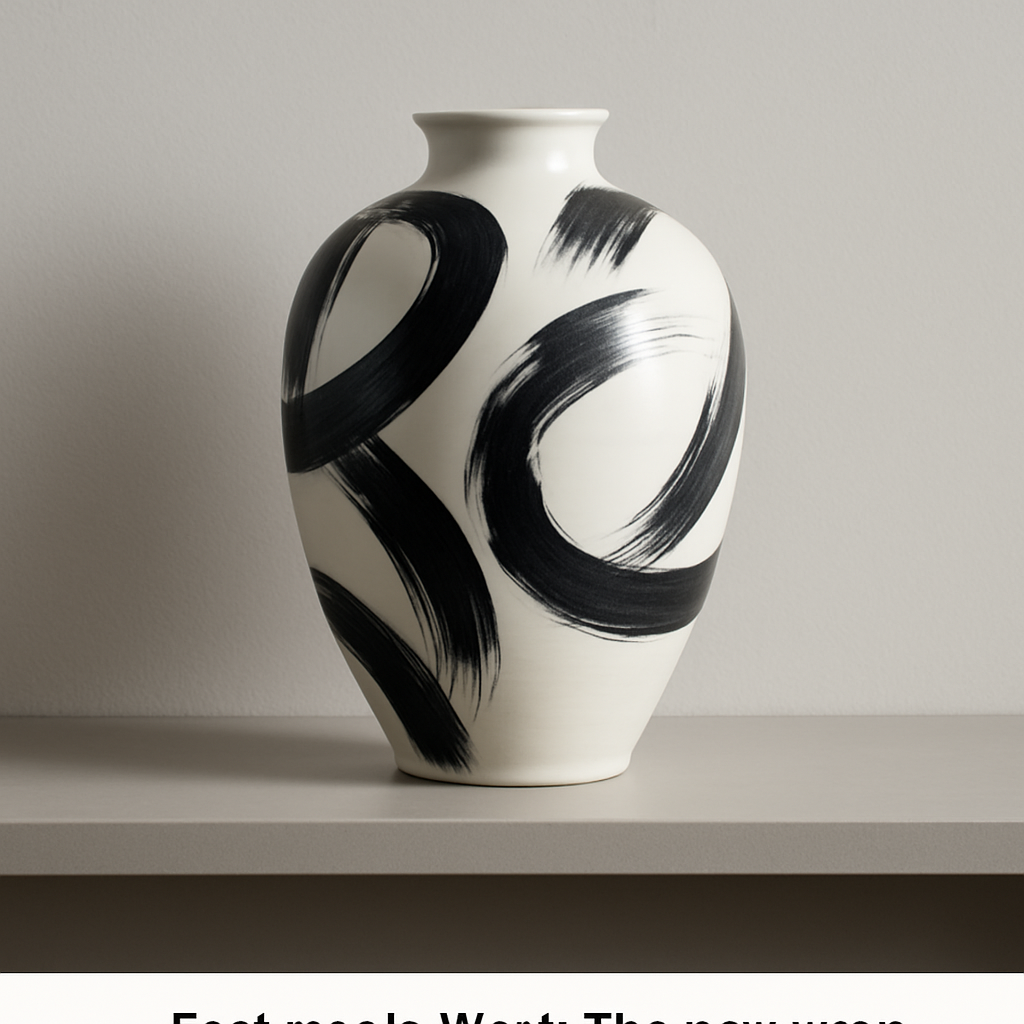
Western minimalism with Eastern traditions, resulting in hybrid forms such as simplistic modern vases with traditional brushwork
Abstract art on classic porcelain bodies, infusing contemporary flair into timeless shapes
Cross-disciplinary collaborations, e.g., working with fashion designers or architects to create one-of-a-kind pieces
These fusions appeal to luxury buyers seeking unique yet familiar statements.
5.3 Digital Customization and Connectivity
Technology is entering the artisan world:
3D modeling allows clients to preview custom vase shapes before creation
Digital marketplaces connect collectors directly with Jingdezhen ateliers, eliminating middlemen and ensuring traceability
Augmented Reality (AR) apps let buyers visualize ceramics in their actual home settings before purchase
HanoraArt plans to integrate AR tools soon, enabling customers to see how a vase would look on their coffee table in real time.
6.Caring for Your Luxury Handcrafted Ceramics
Investing in luxury ceramics means ensuring they remain pristine. Follow these care guidelines:
6.1 Gentle Cleaning
Soft, lint-free cloths only; avoid abrasive sponges
Mild, pH-neutral soap and lukewarm water; harsh chemicals can dull glazes
Avoid submerging if piece has metallic overglaze; use minimal water on a cloth
6.2 Safe Display
Stable, secure shelves away from high-traffic areas to prevent knocks
Use non-slip pads under floating vases to guard against sliding
Rotate pieces seasonally to prevent prolonged exposure to direct sunlight or varying humidity
6.3 Storing for Longevity
Wrap in acid-free tissue paper when not on display
Store upright with additional padding between items to avoid chipping
Maintain consistent temperature; extreme changes can stress porcelain and cause micro-cracks
SEO Reminder: Tag care guides with “how to care for luxury ceramics” and “Jingdezhen porcelain maintenance.”
Conclusion: Elevate Your Home with Handcrafted Elegance
In the world of luxury home decor, handcrafted ceramics have secured a prominent seat. They offer more than just beauty—they carry stories of history, sustainability, and artistic mastery. From the heart of Jingdezhen to modern luxury interiors, these pieces bridge past and present, adding depth and authenticity to every room.
Embrace this trend by investing in true artisan-made vases, bowls, and sculptures. At HanoraArt, we curate only the finest from Jingdezhen’s top ateliers, ensuring each piece you bring home is an heirloom in the making.
🌐 Worldwide Shipping | Secure Checkout | Artisan-Made
👉 Shop Handcrafted Luxury Ceramics
 English