
There’s a silent language whispered through each curve and brushstroke of Jingdezhen porcelain—stories of emperors, artisans, and communities bound by a shared devotion to ceramic excellence. For over a thousand years, Jingdezhen has stood as China’s porcelain capital, producing wares so refined that they became prized across Asia, Europe, and beyond. But behind the lustrous surfaces and intricate patterns lie tales of ambition, perseverance, and cultural evolution.
In this article, we peel back the layers to uncover the hidden narratives that enrich every Jingdezhen masterpiece. From the earliest kilns of the Song Dynasty to contemporary artisans preserving ancient traditions, these stories form the heart of Chinese ceramic heritage.
1.Ancient Origins: From Han Dynasty Beginnings to Song Dynasty Breakthroughs
While Jingdezhen’s fame peaked later, archaeological evidence suggests that China’s porcelain journey began as early as the Han Dynasty (206 BCE–220 CE). Early proto-porcelain items were simple stoneware, but these experiments laid the groundwork for true porcelain. By the Song Dynasty (960–1279 CE), Jingdezhen potters had refined a formula using local kaolin clay and high-temperature firing.
1.1 The Dawn of True Porcelain
Materials and Innovation: The unique composition of Jingdezhen’s clay, rich in kaolin and petuntse, allowed potters to craft vases and vessels that were both translucent and remarkably strong. Unlike earlier earthenware, Song-era wares showcased milky-white bodies and subtle, jade-like glazes.
Cultural Context: As the Song Dynasty emphasized refined tastes and scholarly pursuits, porcelain became a symbol of elegant living. Literati gatherings often featured Song porcelain bowls and cups, admired for their pure forms and delicate celadon glazes.
2.Imperial Patronage: Ming and Qing Dynasties Elevate Jingdezhen
By the Ming Dynasty (1368–1644), Jingdezhen was already producing porcelain for export to Southeast Asia and the Middle East. However, it was under Emperor Yongle and Emperor Xuande that the town became the official imperial kiln site. This meant potters produced porcelain exclusively for the emperor’s court, elevating craftsmanship to unprecedented heights.
2.1 Typology of Imperial Wares
Ming Blue-and-White Porcelain: The hallmark of Ming porcelain was the crisp, cobalt-blue underglaze patterns set against pure white backgrounds. Dragons, phoenixes, and floral motifs adorned vases, plates, and albarello jars.
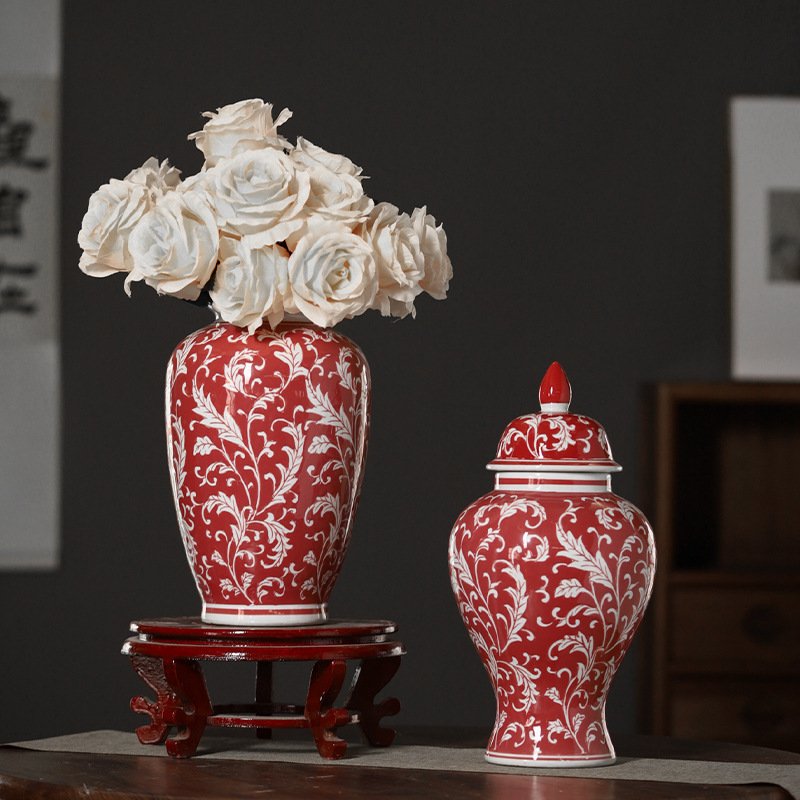
Monochrome Glazes: Imperial taste also favored monochrome glazes—deep reds (sang de boeuf), imperial yellow, and monochrome celadon—each achieved through precise kiln atmospheres.
2.2 Life in the Imperial Kiln
Potters and artisans lived in the shadow of the hall of an imperial official, subject to strict quotas and quality controls. Mistakes were often punished harshly, but successes brought honor and sometimes rank. Many artisan families established multi-generational workshops, passing down secret techniques.
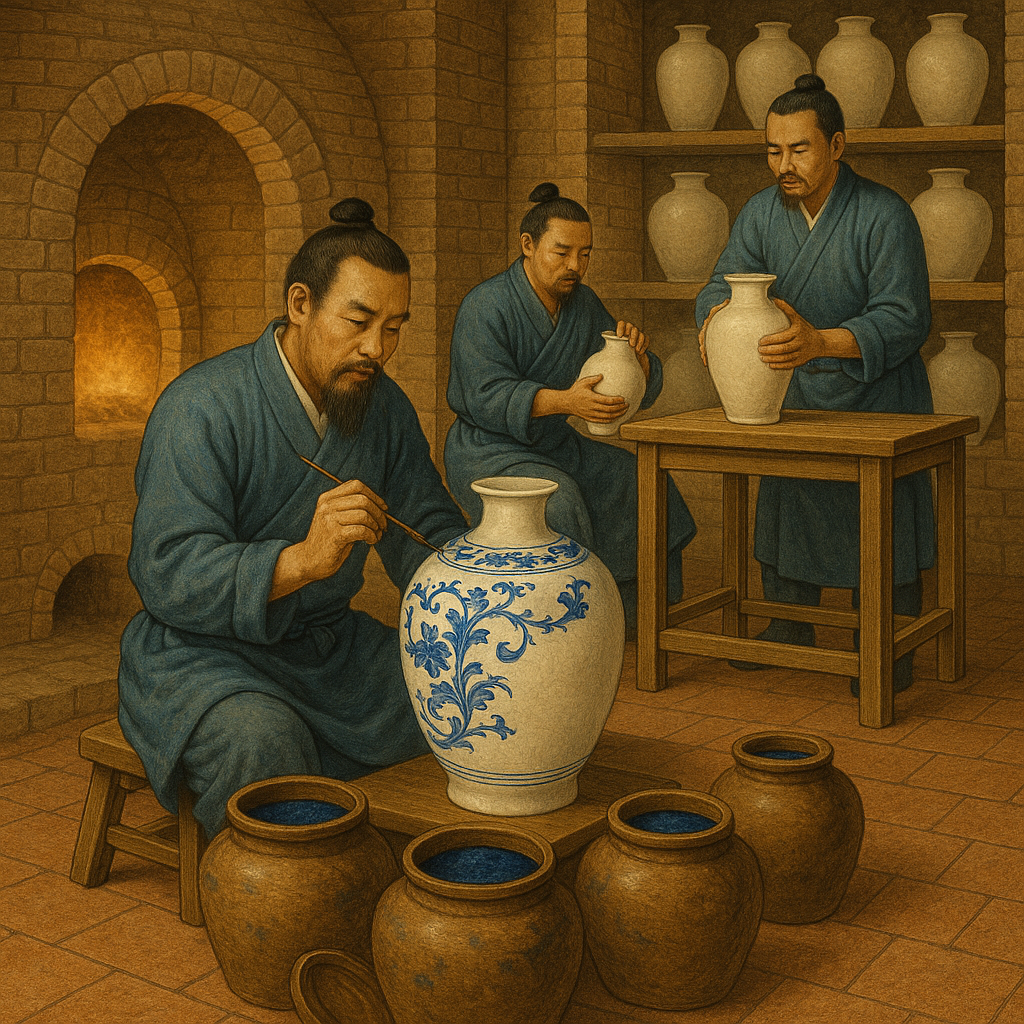
Story Highlight: According to legend, a Ming Dynasty potter named Zheng Xian discovered the ideal firing temperature for cobalt-blue glaze by monitoring kiln flames at night. His techniques were so prized that they became the official standard for court porcelain.
3.Kiln Wars and Innovation: Overcoming Disasters and Rivalries
No history is without conflict. Jingdezhen potters faced kiln wars, where political upheavals and natural disasters led to multiple relocations of kilns. During the late Ming and early Qing (17th century), the fall of Beijing to rebel forces forced the imperial court to temporarily move the official kilns to Nanjing and Fuzhou.
3.1 Rebuilding Under Duress
Forced Migration of Artisans: Many artisans followed the court’s orders to relocate, bringing skills and kiln designs. When stability returned, they journeyed back to Jingdezhen, merging new techniques gleaned from other regions.
Artistic Evolution: Exposure to diverse local styles sparked creativity. Qing potters experimented with overglaze enamel painting, giving rise to the vibrant famille rose palette—pink, green, and yellow enamels overlaying traditional underglaze designs.
3.2 Disaster and Resilience
Floods, famines, and fires periodically destroyed kilns. Each rebuilding effort served as an opportunity for technological upgrades. For instance, the adoption of dragon-back kilns in the Qing era improved heat distribution, enabling larger pieces and more consistent glazing.
4.Family Legacies and Artisan Lives: Crafting with Bloodline edication
Behind every sherd and shaper is a potter’s story. Jingdezhen’s ceramics often trace back to family lineages, where a son inherits his father’s kiln secrets.
4.1 The Li Family Workshop
One of the most esteemed families, the Li clan, claims craft roots stretching back to the late Ming era. For six generations, they refined a single porcelain shape— the luohan bottle vase—imparting subtle variations each era. Their pieces command high prices at auctions and are sought by discerning collectors.
First-Person Anecdote: “My father taught me to listen to the kiln’s breath,” recalls Li Wei, a seventh-generation artisan who now collaborates with contemporary designers to blend tradition with modern form.
4.2 Women in Jingdezhen Pottery
While historical narratives often spotlight male kiln masters, women played crucial roles—mixing glazes, painting underglaze details, and managing workshops. In the 20th century, Madame Zhou, a master painter, gained acclaim for her precise lotus motifs, breaking gender barriers in a male-dominated craft.
Suggested Image: A historical black-and-white photograph of a female artisan painting porcelain details.
5.Modern Revival: Blending Tradition with Contemporary Design
Today’s Jingdezhen is a dynamic hub where tradition meets innovation. Government-funded porcelain arts schools teach ancient methods alongside modern design principles. Young artists experiment with minimalist forms, eco-friendly glazes, and digital kiln monitoring.
5.1 Collaborative Collections
At HanoraArt, we partner with emerging Jingdezhen designers who reinterpret classic silhouettes. For example, a v-shaped vase once reserved for imperial altars now appears as a sleek, matte-black centerpiece in a Scandinavian-style apartment.
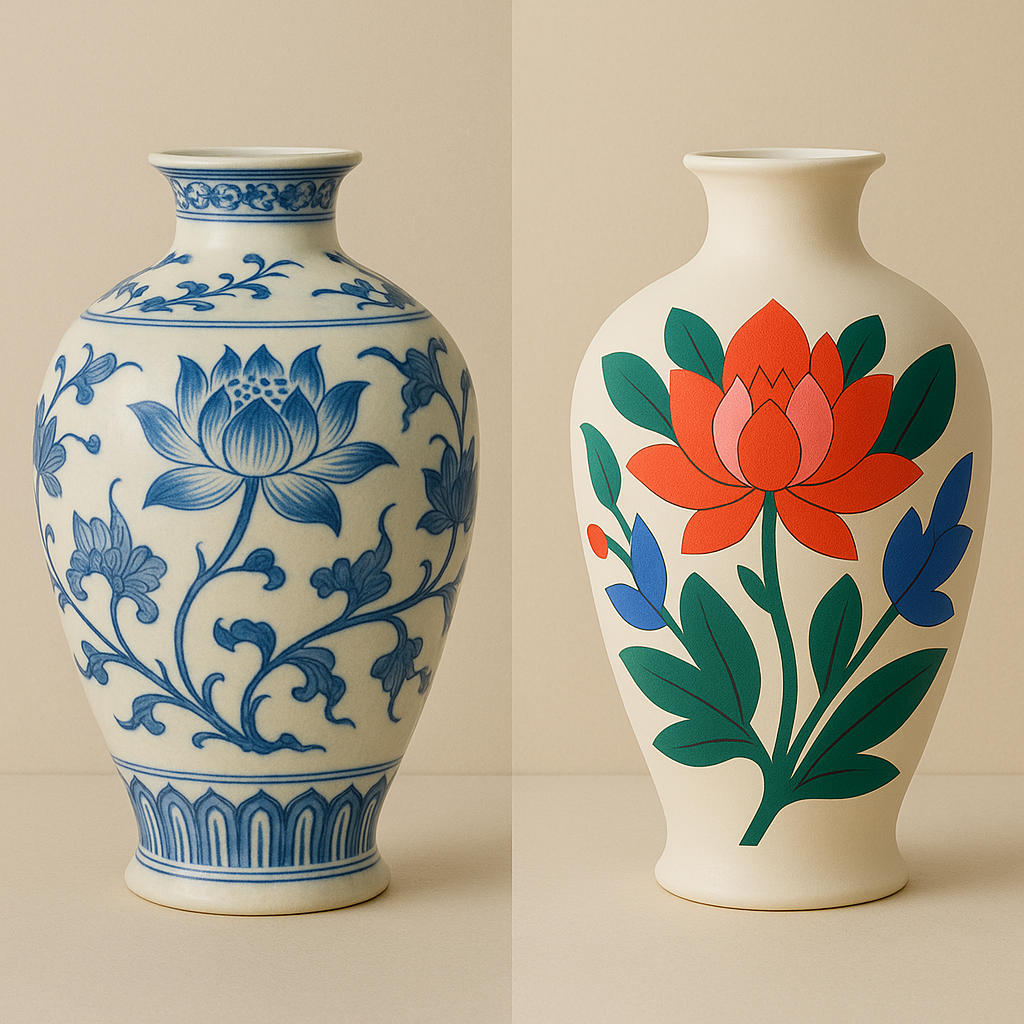
Product Feature: The “Midnight Lotus Vase”, combining a traditional lotus carving pattern with a modern black matte glaze, is limited to 100 pieces worldwide.
5.2 Sustainable Ceramics
Concern for the environment has led to reduced coal usage and integration of electric kilns. Recycled clay from broken shards and eco-friendly pigments are gaining traction, ensuring that Jingdezhen’s legacy is also green.
6.Bringing a Masterpiece Home: What You Should Know
Collecting Jingdezhen porcelain is a rewarding journey, but it requires thoughtful choices. Consider these factors when adding a piece to your collection or décor:
6.1 Authenticity Verification
Kiln Marks and Signatures: Genuine Jingdezhen pieces often bear subtle marks—six-character reign marks or artisan signatures. Educate yourself on identifying fakes.
Provenance: Ask sellers for a history of the piece. Limited edition collaborations with HanoraArt come with certificates of authenticity.
6.2 Care and Display
Handling: Always use two hands when lifting a vase from its base, never by the rim. The thin porcelain body is elegant but fragile.
Cleaning: Use a soft, lint-free cloth and mild, pH-neutral soap. Avoid abrasive cleaners that can scratch delicate glazes.
Placement: Display away from direct sunlight to prevent coloration changes. Use stable shelves or secured display brackets.
Explore our curated Jingdezhen Masterpieces Collection and bring history into your home.
Conclusion: Every Piece Tells a Story
From humble Han Dynasty origins to imperial patronage and modern revivals, Jingdezhen porcelain weaves together stories of culture, innovation, and human perseverance. Each masterpiece carries the echoes of kiln masters, artisans, and families dedicated to honoring tradition.
When you choose a piece from HanoraArt, you become part of a narrative that spans centuries—supporting artisans, preserving heritage, and keeping a timeless art form alive.
🌐 Worldwide Shipping | Secure Checkout | Artisan-Made
 English