
🌟 Introduction: The Journey of Fire and Art
Every elegant Chinese vase or intricate tea set begins with a humble lump of earth. In the porcelain capital of Jingdezhen, this transformation from raw clay to radiant ceramic is more than craftsmanship—it’s an art form rooted in 1,000 years of tradition.
In this article, we walk you through the complete life cycle of a handcrafted Jingdezhen porcelain piece. Whether you’re a curious collector or an interior design lover, understanding the process adds emotional depth to every ceramic in your home.
🏞️ 1. It Begins with the Clay: The Soul of Porcelain
The story starts with kaolin, a special white clay native to Jingdezhen. Known for its purity and high firing resistance, kaolin gives Chinese porcelain its translucence and strength.
Steps:
Sourced from local mountains
Purified and aged to improve plasticity
Mixed with feldspar and quartz
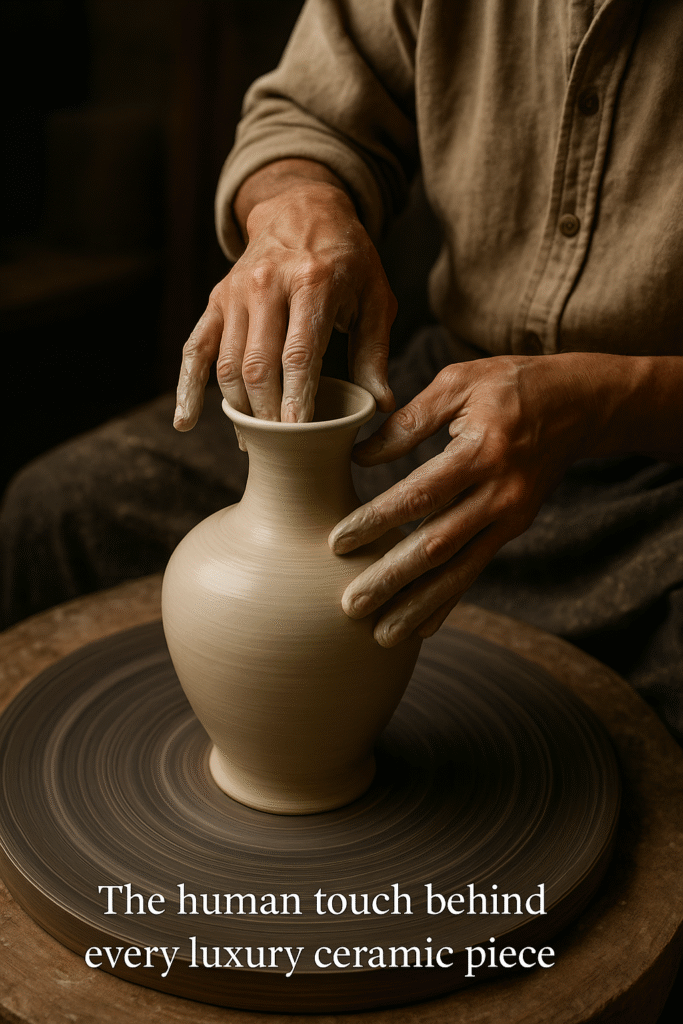
🌀 2. Shaping the Form: Hand-Throwing and Molding
Master artisans then shape the clay into its desired form, using:
Wheel throwing: For vases, bowls, and cups
Slip casting: For delicate or symmetrical items
Hand-building: For sculptural or abstract works
This stage demands intense concentration. One wrong move, and the clay must be recycled.
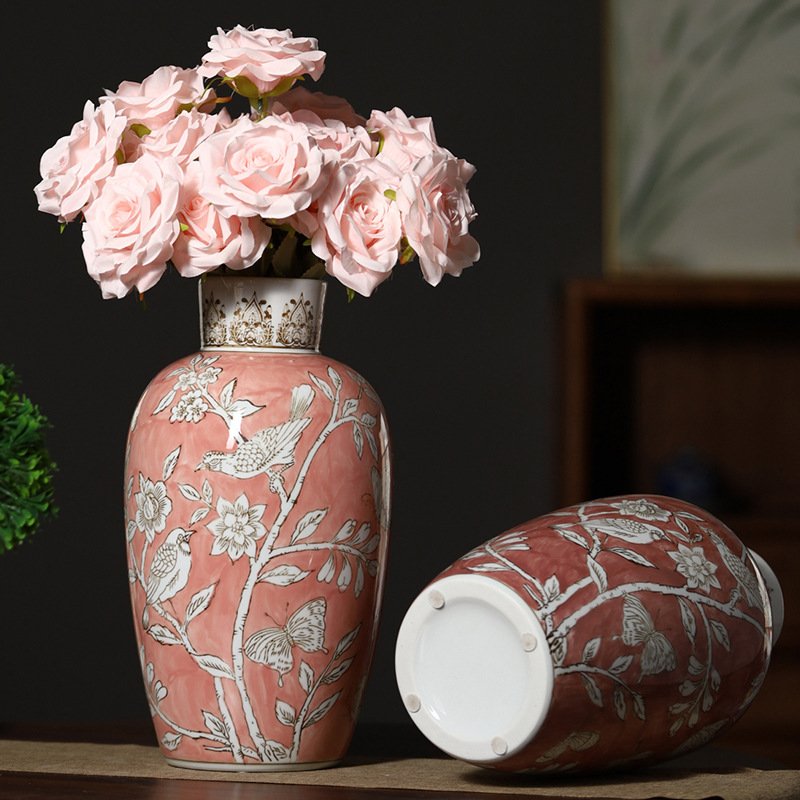
🌬️ 3. Drying and Trimming: Precision Matters
The shaped piece is left to dry slowly, avoiding cracks. Once it reaches a leather-hard stage, artists:
Trim edges
Refine contours
Add feet or lids
Clean seams
Every detail must be perfect before firing, as porcelain does not forgive mistakes.
🎨 4. Underglaze Painting: Art in Its Purest Form
Before the first firing, artists apply underglaze cobalt blue using goat-hair brushes. This ancient technique is unique to Jingdezhen.
Highlights:
Designs must be done freehand
Mistakes cannot be corrected
Cobalt appears black before firing, requiring expert intuition
🖌️ Each brushstroke reflects not just beauty but centuries of accumulated knowledge.
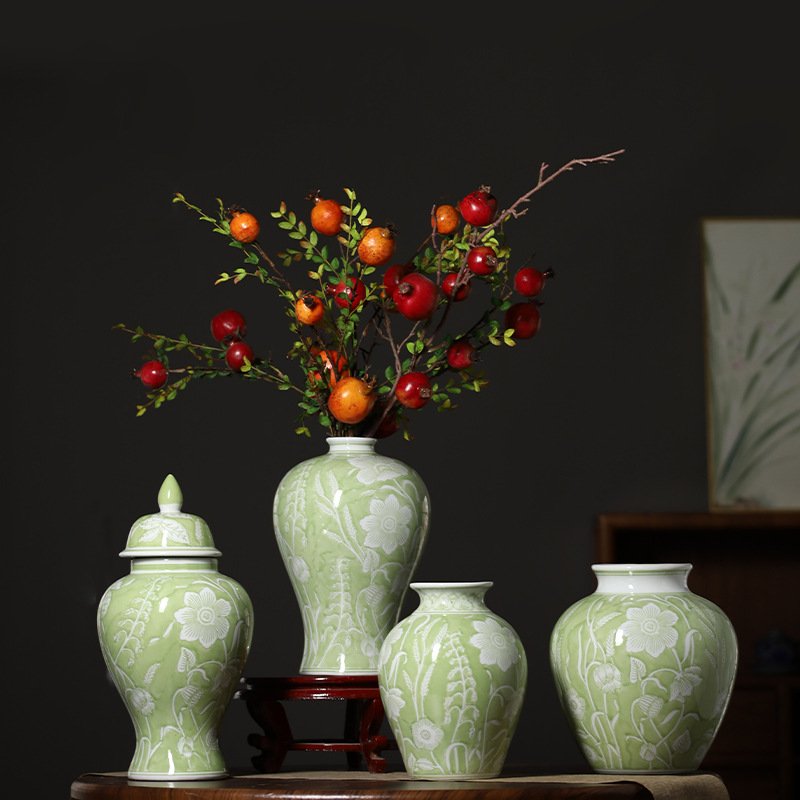
🔥 5. The First Firing: Into the Kiln
This bisque firing takes place at 800–1000°C, hardening the clay and locking in the underglaze designs. After cooling:
The surface is carefully inspected
Small flaws may lead to rejection or rework
Only pieces that pass the artisan’s standard continue.
🧪 6. Glazing: The Glossy Finish
A layer of glaze—often clear or celadon—is applied by dipping, spraying, or brushing. This glaze:
Protects the underglaze art
Provides the glassy surface
Adds translucency and depth
This stage is vital for achieving the signature smoothness of Chinese porcelain.
🔥 7. High-Temperature Firing: The Transformation
The final firing takes place at a staggering 1300°C (2372°F). Inside the kiln:
Clay becomes vitrified (stone-like)
Glaze melts into a glossy coat
Colors emerge in full vibrancy
This is the moment of truth. Some pieces warp or crack. Others emerge as masterpieces.
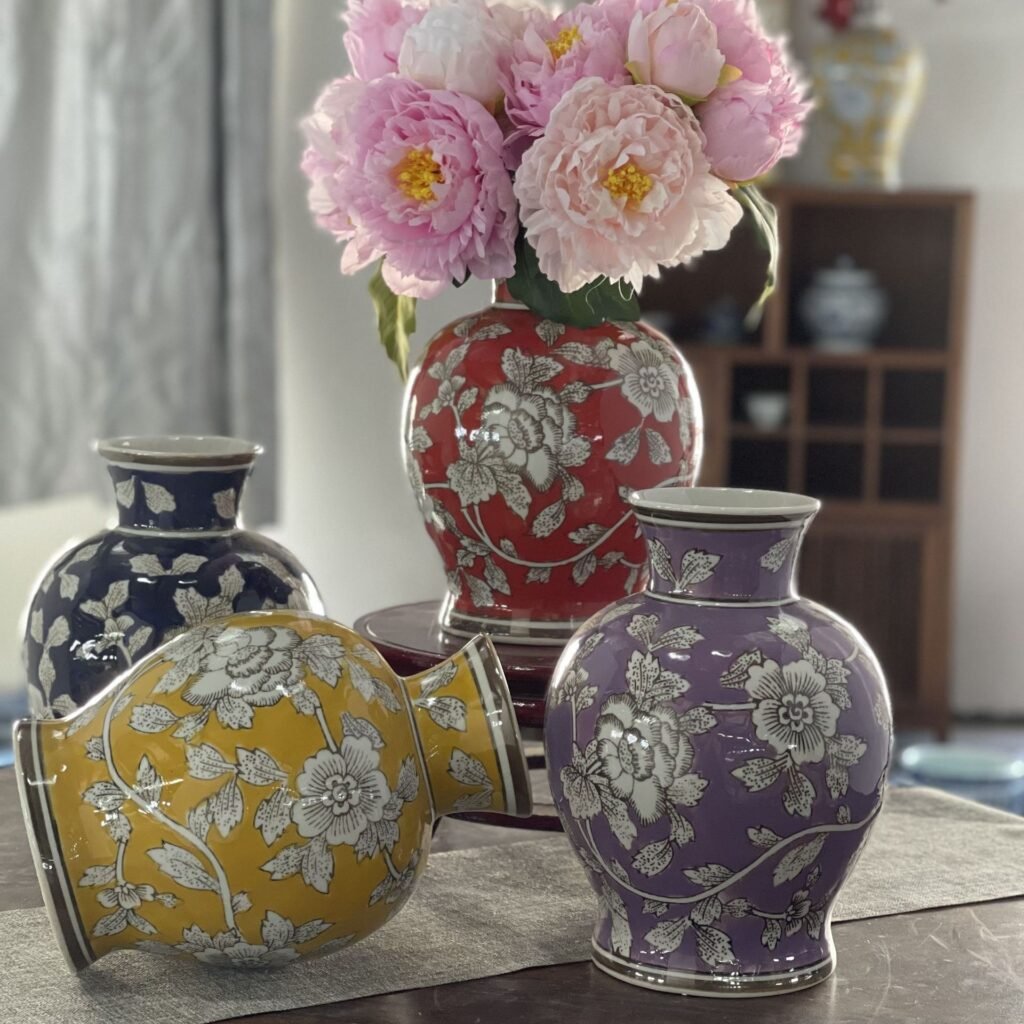
🧤 8. Polishing, Selection, and Finishing
Once cooled, every item is:
Hand-polished with fine sand or leather
Inspected for imperfections
Selected or rejected
Only the best pieces are signed and passed on for sale, representing not just quality but lineage.
🛍️ 9. Why This Process Matters to You
When you purchase from HanoraArt, you’re not just buying a decoration—you’re acquiring a story. Each Jingdezhen piece represents:
1000+ years of continuity
Up to 72 hand processes per item
Master-level artisan skill
🎁 These are heirlooms in the making, equally at home in modern interiors or classical spaces.
🛒 👉 Explore Our Handcrafted Porcelain Collection
🎨 Artisan-Made | Hand-Painted | Global Delivery
Elevate your living space with ceramics that carry history in every line and glaze.
From earth to fire, from tradition to your home—each piece speaks volumes.
 English