
🏛️ Introduction: A Legacy of Prestige
For over 1,000 years, Jingdezhen has produced porcelain that adorned royal palaces, imperial courts, and now—some of the world’s most renowned museums. But what makes a piece of ceramic from this small Chinese town worthy of a gallery wall or a collector’s cabinet?
In this article, we explore the unmatched artistry, historical weight, and investment value of Jingdezhen porcelain—and why modern collectors from Paris to New York are adding these timeless pieces to their homes.
🧭 A Brief History of Ceramic Excellence
Often referred to as the “Porcelain Capital of the World,” Jingdezhen began producing ceramics as early as the Tang Dynasty (7th century). During the Ming and Qing Dynasties, it became the official imperial kiln site, producing masterpieces exclusively for the royal family.
These kilns developed techniques such as:
Underglaze blue with cobalt imported from Persia
Famille rose and famille verte enamels for colorful detailing
Eggshell porcelain, known for its near-translucent thinness
Today, many of these methods remain unchanged, preserved by generations of artisans.
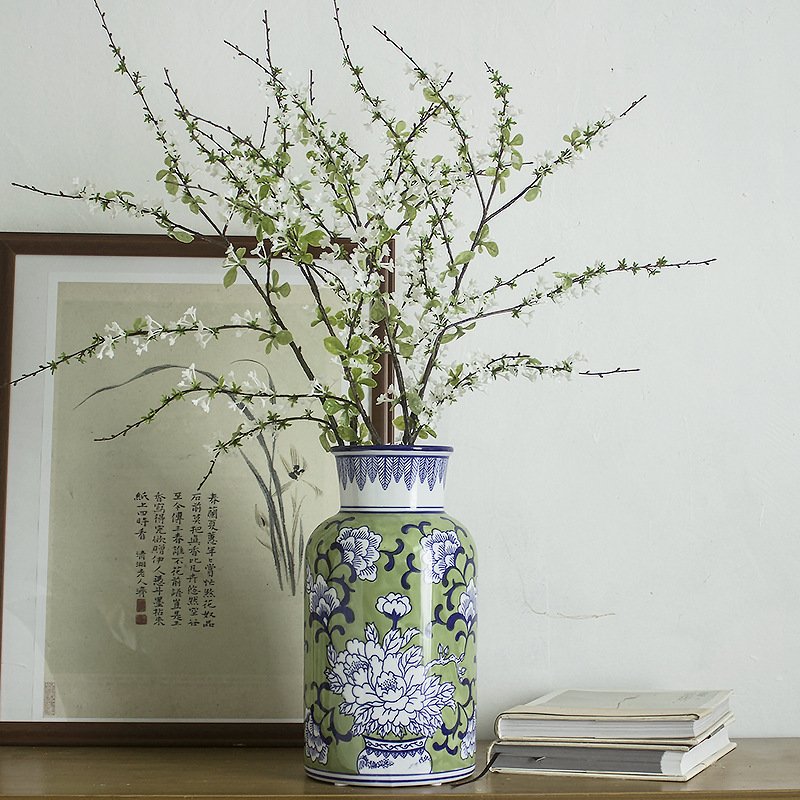
To be considered collectible or museum-grade, a ceramic piece should demonstrate:
🔍 What Makes a Ceramic “Museum-Worthy”?
- Artisanal Craftsmanship
Each Jingdezhen piece is handmade—from wheel throwing to glazing to painting. No two are alike, with the artist’s hand visible in every brushstroke. - High Firing Temperatures
Pieces are fired at 1300°C or higher, resulting in a denser body, brilliant glaze, and resistance to wear. - Historical Accuracy and Cultural Significance
Motifs like dragons, lotuses, and Confucian symbols are rooted in deep cultural tradition and philosophy. - Limited Availability
Master artisans may only produce a few pieces a month, adding rarity and exclusivity.
💎 Jingdezhen Ceramics as Investment Pieces
Fine ceramics are increasingly seen as a form of alternative investment—particularly as global art buyers look for tangible assets with cultural value.
In recent years:
Auction houses like Sotheby’s and Christie’s have sold Jingdezhen vases for hundreds of thousands of dollars.
Appreciation in value has averaged 8-12% annually for high-end porcelain collectibles.
Demand is growing among young collectors in the U.S., Germany, and UAE.
💡 Tip: Look for signature stamps or seals on the base—these often indicate a known artisan or kiln origin.
🖼️ Styling Museum-Quality Ceramics at Home
You don’t need a gallery to showcase your porcelain:
Display a single statement vase under a spotlight in your living room.
Mount plates or tiles on a minimalist wall for an artful, modern gallery look.
Use smaller pieces in open shelves or glass cabinets alongside books and art prints.
🛒 👉 Explore Our Collector’s Edition Porcelain Collection
🎁 The Gift of Heritage
Looking for a gift that truly stands apart? A Jingdezhen porcelain piece makes a meaningful present for:
Weddings or anniversaries
Corporate gifting
Art collectors and history enthusiasts
Each order from HanoraArt includes a background card about the artisan and the traditional technique used—adding depth and storytelling to the object.
🌐 Trusted by Collectors Around the Globe
HanoraArt works exclusively with master artisans in Jingdezhen, ensuring that every piece we offer meets collector-grade standards. All pieces ship with careful packaging, a certificate of authenticity, and optional gift boxes.
🚚 Fast Global Shipping
🔒 Secure Payments
🎨 One-of-a-Kind Craftsmanship
 English